Bridging the Gap: International Students, Internships, and Opportunities in the U.S
Introduction
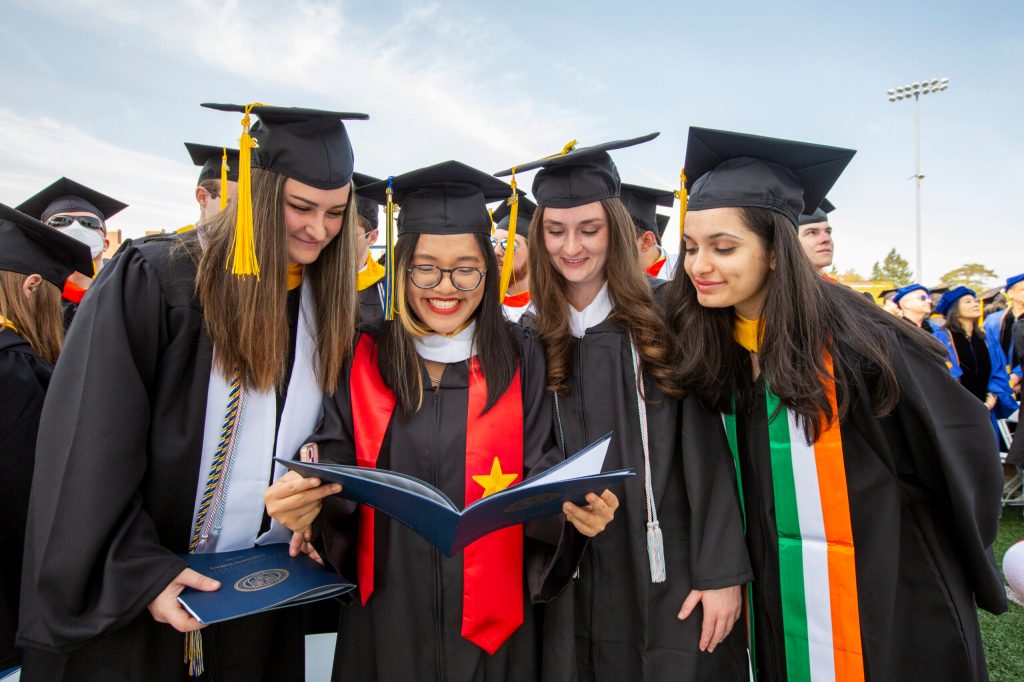
International students bring language skills, cultural insight and global experience into U.S. classrooms. But when they start looking for internships and jobs, many international students discover that talent and hard work are not enough for getting a job in the U.S. They need to face many difficulties in order to receive a chance to work legally; such as visa limits, employer fear and a lack of tailored support create barriers that local students sometimes don’t even noticed.
This website will explores those barriers and asks a simple, important question:
What would it look like if the system actually supported international students’ futures; not just their tuition payments?
What You’ll Find Here?

This Project:
- Shares research about how international students experience the U.S. job market.
- Highlights the emotional and mental health impact of career barriers.
- Connects individual struggles to bigger systems: immigration policy, university structures, and employer practices.
- Offers ideas for change: on campus, in workplaces and in policy.

Across the site, you’ll see ideas from three key sources:
- A qualitative study on international students’ job search experiences.
- A study on career barriers and coping among international students in counseling psychology.
- A national policy report on international students and U.S. competitiveness.
Why This Isn’t Just a “You Problem”?
When international students struggle to access internships and careers, the message they often hear is: “You need to network more. You need more confidence. You need to fix yourself.”
But research shows something different: the problem is often structural, not personal. For instance, visa rules, institutional gaps and employer misconceptions shape who even gets a chance to apply.
This isn’t just about one student not getting one internship. It’s about who is allowed to belong, build a life, and contribute; and who is told that their time here has an expiration date.
“Courage doesn’t always roar. Sometimes courage is the quiet voice at the end of the day saying, ‘I will try again tomorrow.‘”
Mary Anne Radmacher
 International Students and their challenges